
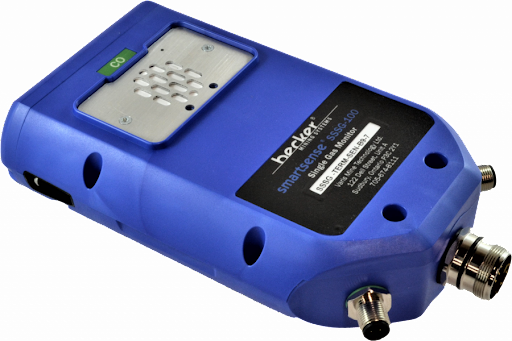
Gas in enclosed spaces is one of the most dangerous hazards onboard ships. A 4 gas monitor is a great way to protect your workers from the dangers of enclosed spaces. It can assess the main gases Oxygen, Carbon Monoxide, CO, Hydrogen Sulfide, Methane, and any other combustible gases that you are checking.
The Marine 4(tm), a portable gas detector, can detect up to four gases simultaneously. The screen will display the level of each gas and give you an immediate snapshot of the safety level in the area.
Gas Types
Safety and health compliance aboard ships is a difficult task. However, there are some essentials that must be met. Ships are filled with confined spaces that, if not checked, can become death traps. The crew could easily fall asleep before realizing there are gases.
Some gases are more dangerous or deadly than others, so it is important to keep them in their original containers and label them using the correct labeling protocol.
These are the types of gas that you might have aboard:
Carbon Monoxide
It is a milder gas, but more frequently present because it is a result of smoke from large fires, internal combustion engines, heaters, and fuel stoves that are poorly ventilated.
Carbon Dioxide
Although it is non-toxic, this gas can cause damage to the valuable breathable air in enclosed spaces. It can also displace the air that can be trapped within the space it occupies.
Cyanide
Crew members who work to fumigate ships are at risk of cyanide exposure if fumigation isn’t done properly by, for example, untrained workers.
Irritating Gases
These gases, which are heavier than air and accumulate at the bottom enclosed spaces because they are heavier than air, include Phosgene (Chlorine) or Ammonia. These gases can cause respiratory problems such as bronchitis and bronchiolitis. They are known to trigger an inflammatory response in the respiratory tract, which causes inflammation.
Flammable Liquid Vapours
These can build up in storage lockers or holds because they are heavier than air. Although they are not harmful, as the oxygen and breathable-air displacement can lead to asphyxiation. These include LPG and Calor Gas, Propane, Butane, and Propane.
Freons
Freons are used as refrigerants. Inhaling Freons can cause frostbite. Freons can cause damage to the heart, including an abnormal heart rhythm or sudden death.
Hydrogen Cyanide
Because it is lighter than air, it can build up at the top of enclosed spaces. However, it can be quickly dispersed if the area is adequately ventilated. Small amounts of the substance can cause headaches, weakness, and dizziness. Larger amounts can lead to fainting, irregular heartbeats, and seizures.
Hydrogen Sulphide
It is heavier than air and builds up at the bottom of holds. It is well-known for its distinct smell and is often calledRotten Egg GasOrSewer GasThis gas is formed when organic matter is decomposed and the natural materials are broken down.
The initial smell of this gas is highly explosive and potentially toxic. However, it is not easy to detect. It can also poison the senses. While the smell may seem to have disappeared, concentrations can be increasing. Low concentrations can cause irritation to the eyes, nose, and mouth. Higher concentrations may also cause symptoms similar to hydrogen cyanide.
This post was written by Justin Tidd, Director at Becker Mining Communications! For over 15 years, Becker Communications has been the industry’s leader in Gas Monitoring Devices and electrical mining communication systems. As they expanded into surface mining, railroads, and tunneling they added wireless communication systems, handheld radios, tagging and tracking systems, as well as gas monitoring.

